Streamline Oracle Cloud Login at Vanderbilt: A Developer’s Step-by-Step Guide
Streamline Oracle Cloud Login at Vanderbilt: A Developer’s Step-by-Step Guide
For faculty, researchers, and IT teams at Vanderbilt University, managing access to Oracle Cloud infrastructure is a daily operational challenge—especially when onboarding users to secure cloud environments efficiently. Oracle Cloud Login Vanderbilt A Quick Guide offers a focused, practical approach to integrating identity access with Oracle Cloud, enabling seamless authentication while maintaining the university’s stringent security standards. This guide distills key procedures, authenticationflows, and best practices into an actionable roadmap tailored for institutional scale and usability.
Oracle’s integration supports multi-factor authentication (MFA) by default, a critical safeguard for university systems handling sensitive student and research data. The underlying framework combines identity provider (IdP) trust relationships with fine-grained role-based access controls (RBAC), enabling granular permission assignments aligned with academic departments, research groups, or support staff.
The process commences with establishing federated identity mappings between Vanderbilt’s identity provider and Oracle’s ISE. Key setup steps include: - **Provision Oracle Cloud IDP Username and SSO Configuration**: DevOps and IT administrators configure the university’s AD-based SSO with Oracle’s identity services, ensuring trusted realm configurations that support both cloud and on-premises applications. - **Enable Multi-Factor Authentication (MFA)**: Through Oracle Policy Administration, MFA policies are enforced—typically using time-based one-time passwords (TOTP) or FIDO2 security keys—specifically for high-risk users and administrative accounts.
- **Define Role-Based Access Profiles**: Clear mapping of user roles to cloud resource permissions follows NIST cybersecurity guidelines, ensuring least privilege access across database instances, SaaS tools, and platform services. - **Test Authentication Workflows**: Before full rollout, staging environments simulate real-world login flows, validating SSO behavior, MFA prompts, and SSO failover mechanisms. These measures collectively create a secure, scalable login environment where researchers and educators access Oracle Cloud resources with minimal friction but maximum protection.
- **Oracle Applications & SaaS Suite** – including NetSuite, A Ribbon, and cloud-based research platforms, where federated login enables secure, centralized access without external credentials. For example, a graduate student accessing Oracle Health cloud databases logs in once via their federated AD account, receives MFA verification, and gains automatic access to required tools—no additional logins or password resets required. This integration reduces helpdesk tickets and streamlines access across hybrid environments.
- **Continuous Monitoring with Event Logging**: CloudTrail and Audit logs feed into Oracle’s Security Monitoring dashboard, enabling real-time detection of suspicious login attempts or privilege escalations. - **Incident Response Planning**: Predefined protocols activate during authentication anomalies—such as geolocation mismatches or repeated failed logins—ensuring rapid containment and user notification. Oracle’s integration also benefits from automated patch management and compliance certifications, including FedRAMP High and GDPR alignment—critical for a research institution handling federally funded data.
Plans underway include enhanced AI-driven anomaly




Related Post

Are Mini Coopers Actually Reliable? Reddit Reviews and Owner Insights Reveal the Truth

<strong>Master CA++ Validity Testing with SPSS & R: The Alief Akhman Formula That Simplifies Puja Cahaya dan SPSS Analysis</strong>

Martin Lawrence’s $250 Million Fortune: How the Star Fashioned a Billionaire Legacy by 2025
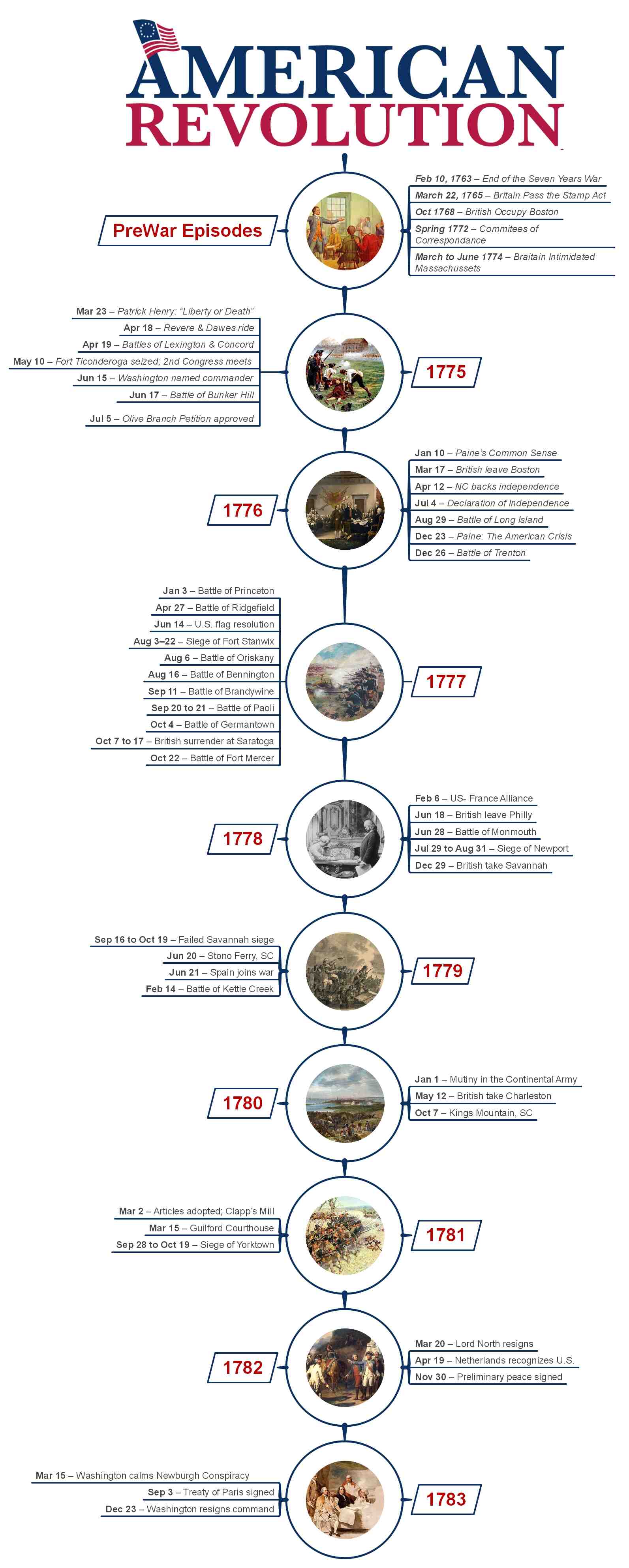
How Long Did the American Revolutionary War Really Last? The True Duration Behind America’s Fight for Independence